Saturday, October 31, 2026

JAPAN LOCAL VOICES

Authentic Japanese internet reactions to world events, translated and explained.

631 topics
6000+ translated voices
8 categories

Latest Topics

631 topics

France's Mass Protests and Riots Stoke Japan's Immigration Fears
Society

France's Mass Protests and Riots Stoke Japan's Immigration Fears

Protests that authorities put at around 550,000 people spread across France, with arson, looting, a city-hall fire in Limoges, roughly 1,200 arrests and about 150 police injured. The protests began over the cost of living, schools and public services, and budget policy, but many Japanese commenters read the unrest less through those causes than as the result of immigration policy, and as a warning that Japan could follow. Others condemned the arson and looting as crime rather than protest, or questioned the framing outright. A relativizing minority noted that Japan's own fiscal position is worse.

Read More

Japan's Residency Crackdown and the Foreign-Worker Debate
Society

Japan's Residency Crackdown and the Foreign-Worker Debate

Two immigration stories drew attention in Japan on the same day. An Indian curry-shop owner said that tighter criteria for the 'Business Manager' residence status would make renewal impossible in two years and force the shop to close. Separately, a watch activity in which Muslim men walked near schools under the guidance of the Gyotoku police drew criticism, and the force's attempt to calm it down drew more. Opinion split between sympathy for honest workers caught by a blanket crackdown and distrust of how the system is run on security grounds.

China's Food-Safety Scandals and a Kindergarten Life Sentence
Society

China's Food-Safety Scandals and a Kindergarten Life Sentence

A kindergarten in Tianshui, Gansu, added inedible pigment to food to make it look vivid, and 247 children were found with abnormal blood-lead levels; the facility's operator was given a life sentence. Japanese coverage set the case alongside earlier food scandals — formalin-soaked cabbage, dyed lettuce, preservative-laden peaches — and commenters treated it less as a one-off than as evidence of distrust in food safety overall. Reactions ranged from noting China's heavy punishment to concrete warnings about the health effects of heavy-metal pigment. A self-critical strand said a case like this would have ended with no charges in Japan.

China's Slowing Economy and Distrust of Its Statistics
Economy

China's Slowing Economy and Distrust of Its Statistics

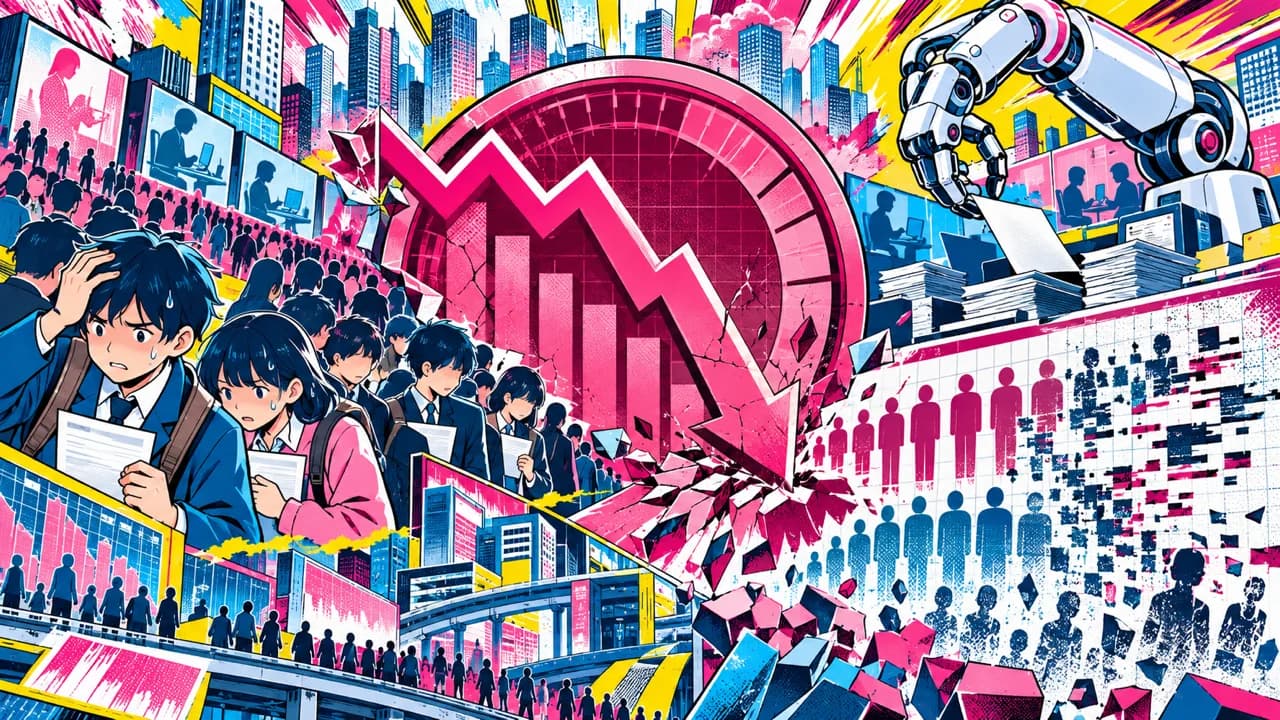
Two stories ran side by side: a 'lost generation' of Chinese youth facing a weak job market and AI-driven cuts to entry-level work, and a suspected padding of roughly 130 million in China's population statistics. For Japanese commenters, the sharper theme was not the slowdown itself but a broad distrust of China's official figures. Many compared it to Japan's own post-bubble 'employment ice age,' while a minority was skeptical of the population-padding claim itself.

Chinese-Made Vehicles Recorded Norway's Military Secrets
Politics

Chinese-Made Vehicles Recorded Norway's Military Secrets

Norwegian media reported that Chinese-made rental cars used in a military exercise had automatically recorded sensitive data, including facility entry codes. Norway's military chose not to ban Chinese vehicles outright, instead restricting camera- and sensor-equipped cars from sensitive areas regardless of origin. Japanese commenters treated the incident less as a one-off than as evidence that Chinese internet-connected hardware is a broad security risk. A minority pushed back, noting that ordinary cars and non-Chinese brands record data too.

America's Crushing Medical Bills and Japan's Universal Insurance
Society

America's Crushing Medical Bills and Japan's Universal Insurance

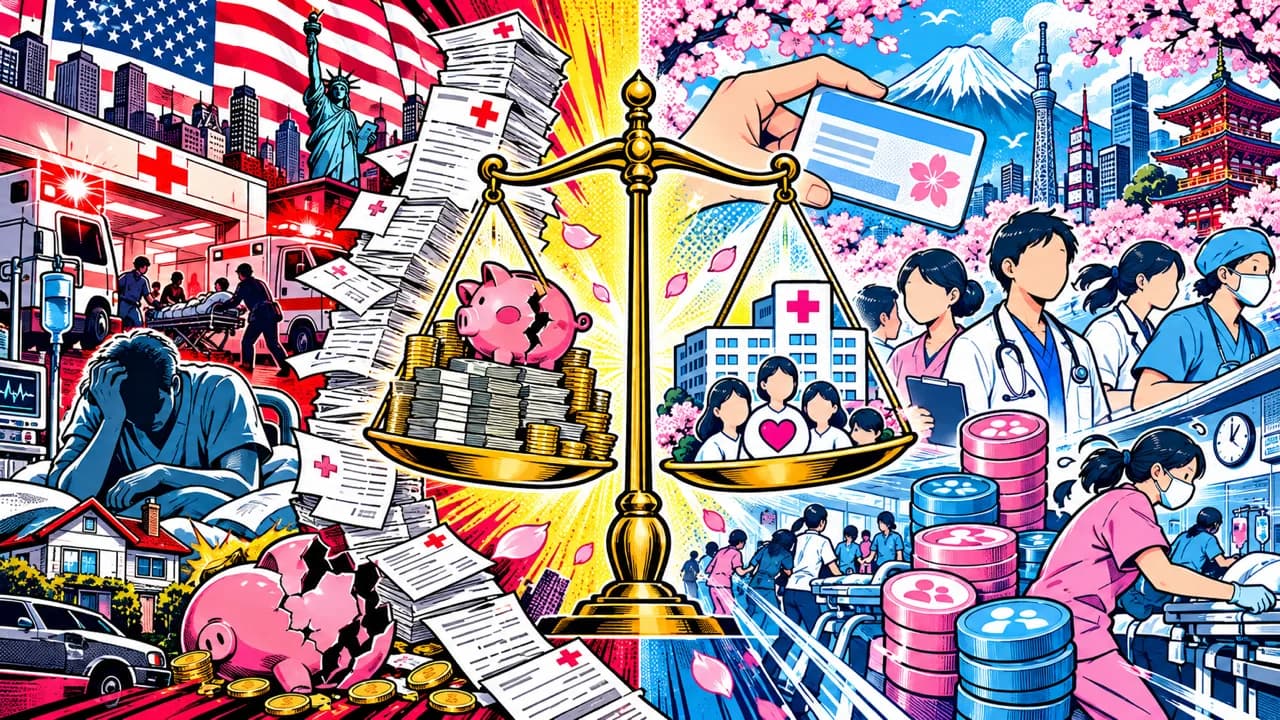
An Asahi report that a single U.S. emergency-room visit can cost around 190,000 yen, and that medical bills drive people into personal bankruptcy, set off a Japan-versus-U.S. comparison. Many commenters praised Japan's universal insurance and its high-cost expense cap as a powerful safety net. Others pushed back, noting that Japan's system rests on heavy premiums, low fixed reimbursements and overworked medical staff. A few defended the U.S. model or argued that Japanese patients lean on hospitals too much.

Rethinking Greta and the Backlash Over Japan's Solar Panels
Society

Rethinking Greta and the Backlash Over Japan's Solar Panels

A thread revisiting activist Greta Thunberg's past warnings as 'actually a fair point' ran alongside a debate over a graph claiming Japan leads the world in solar-panel coverage. There was some sympathy for the critique of mass consumption, but deep skepticism toward asking individuals to cut back. The sharper anger was aimed at mega-solar's land use, higher electricity bills and money flowing abroad. A few offered concrete fixes, such as a per-head carbon dividend.

Trump Cancels an Execution Livestream, and a Spokesperson's Lawyer Claim
Politics

Trump Cancels an Execution Livestream, and a Spokesperson's Lawyer Claim

Two Trump-administration episodes drew Japanese attention. The Pentagon had planned to livestream a death-row inmate's firing-squad execution on social media; Trump called the livestream off after public backlash, while the execution itself was to proceed. Separately, reports said new press secretary Katie Zacharia had called herself a lawyer despite failing the bar and had worked at a Chinese law firm. Netizens voiced disgust at the livestream idea and doubts about the hire.

Takaichi, China Coverage, and a Missed G7 Call
Politics

Takaichi, China Coverage, and a Missed G7 Call

On October 16, three fresh flashpoints around PM Sanae Takaichi's China posture landed together. Finance Minister Satsuki Katayama rebutted a Nikkei G20 report and pressed the bylined reporter to explain his basis. Veteran politician Ichiro Ozawa called Takaichi 'an obstacle to diplomacy.' And Takaichi told the Diet she missed an October 2 G7 online summit because a line provider could not be arranged in time. Netizens mixed distrust of the press, defense of the government, and derision over the no-show.

Tesla's 'Flying Car' Demo Lands Between Awe and Doubt
Economy

Tesla's 'Flying Car' Demo Lands Between Awe and Doubt

Tesla showed a top-spec new Roadster using SpaceX cold-gas thrusters to levitate, jump and right itself in mid-air, and the clip spread in Japan as a 'flying car.' Viewers compared it to the game Rocket League, Star Fox's Landmaster and the DeLorean. Reactions split between genuine awe, suspicion that the footage was CG or faked, and cool doubts about practicality, safety and price.

China's Threat to Manila, a Defense-Budget Squeeze, and a North Korean Sub
Politics

China's Threat to Manila, a Defense-Budget Squeeze, and a North Korean Sub

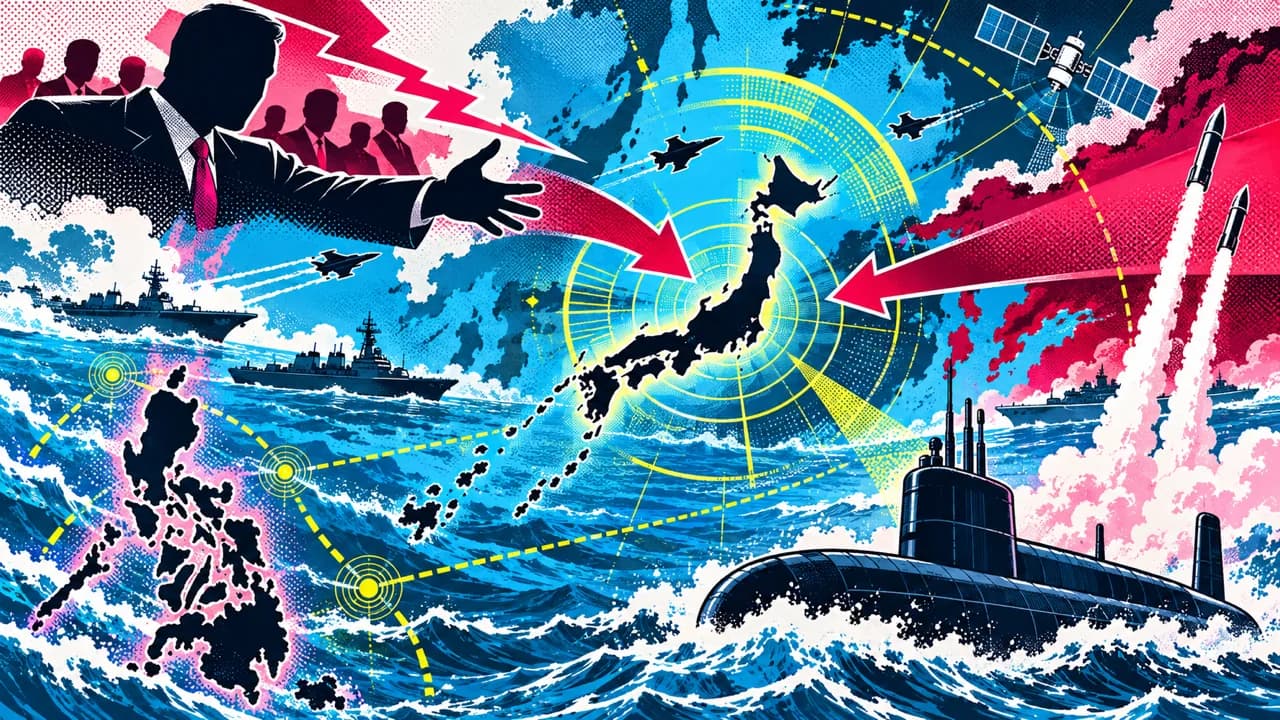
On October 16 three East Asia security stories landed together. China's ambassador to the Philippines said Manila would 'easily lose' a war and should feel 'lucky' to have China as a neighbor. Japan's defense build-up left it caught between Chinese opposition and reported US pressure. And North Korea said it had test-fired two strategic cruise missiles underwater from a submarine, the 'Kim Gun-ok Hero.' Japanese reactions mixed scorn, cool military analysis, and heavy mockery of the sub's name.

Reporter's 'Are You Spying?' Question to PM Ignites Media Backlash
Politics

Reporter's 'Are You Spying?' Question to PM Ignites Media Backlash

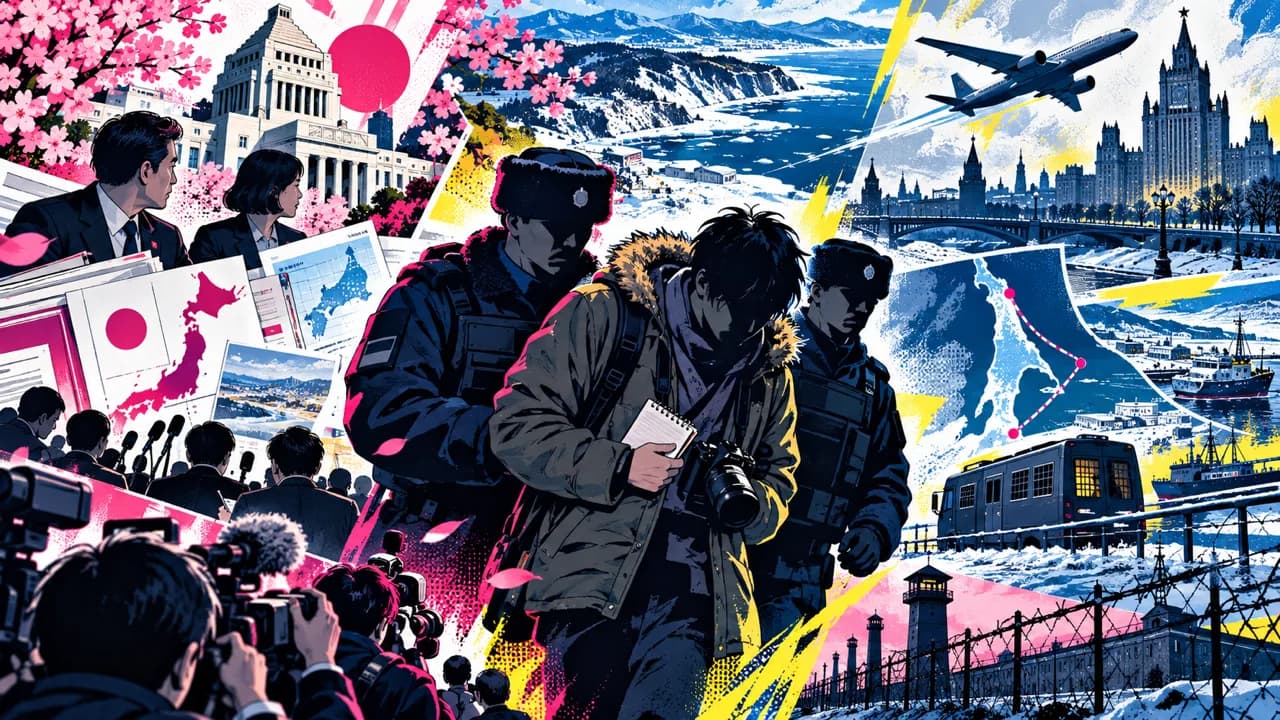
Russia's security service detained a Hokkaido Shimbun reporter on espionage charges. At a press conference, a reporter asked PM Takaichi whether Japan's government spies in Russia, and video of the exchange spread fast. Netizens blasted the question as reckless and self-defeating, with sympathy for the detained journalist in short supply.

Chinese Criticism of Drama 'VIVANT' Draws Shrugs and 'Look Who's Talking' in Japan
Culture

Chinese Criticism of Drama 'VIVANT' Draws Shrugs and 'Look Who's Talking' in Japan

The TBS drama VIVANT, set in a fictional country, drew criticism on China's Weibo for a graphic torture-and-rescue plot some called 'Japanese hate education.' In Japan, the dominant response was a double-standard jab: China has cranked out anti-Japan dramas for years. Many also dismissed the anger as overreaction to a piece of fiction.

A Run of Foreign-Resident Arrests Fuels Debate Over Tighter Residency Rules
Society

A Run of Foreign-Resident Arrests Fuels Debate Over Tighter Residency Rules

Several arrests of foreign residents were reported the same day — a delivery courier accused of assaulting a girl, a Vietnamese man over illegal deer poaching, and a Chinese couple over a hotel-based phishing operation. Alongside data that departures of 'business/management' visa holders jumped about 3.9x after tighter rules, netizens pushed for stricter residency screening, while some warned the crackdown is sweeping up long-settled operators.

Japan's Nominal GDP Is Forecast to Slip to Sixth in the World
Economy

Japan's Nominal GDP Is Forecast to Slip to Sixth in the World

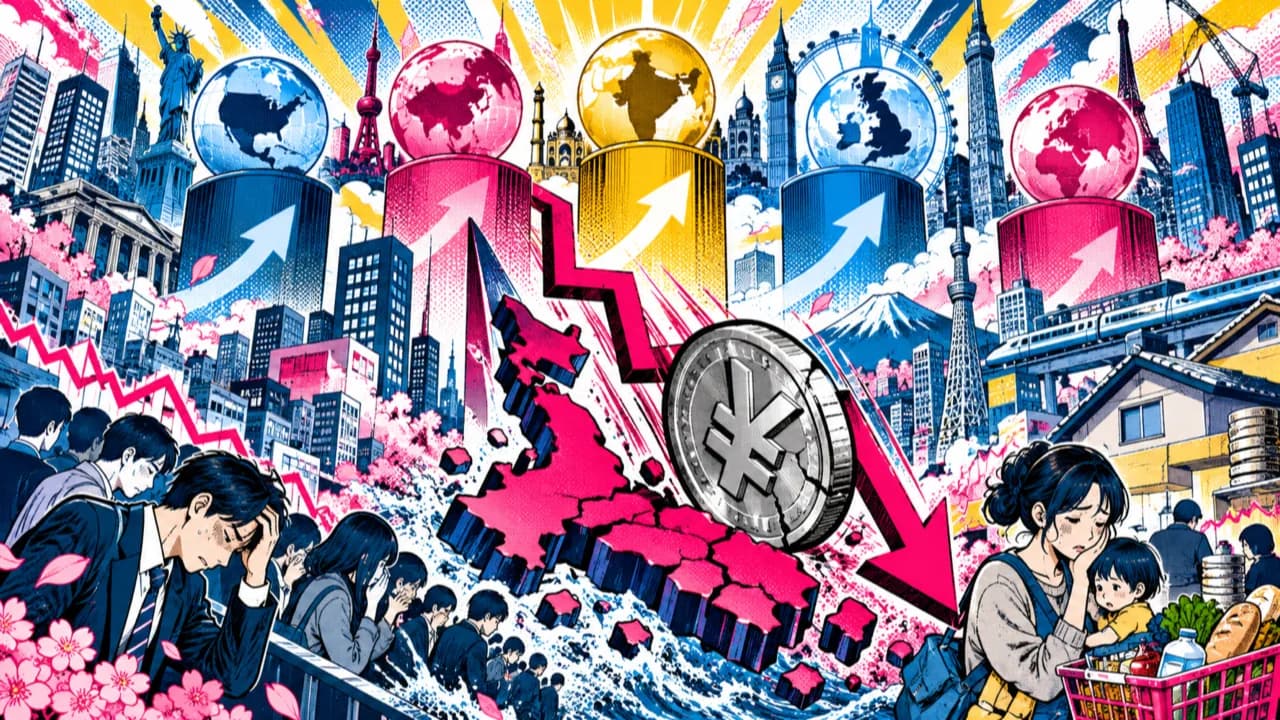
The IMF's outlook projects Japan's nominal GDP in dollar terms to be overtaken by India and the UK in 2027, dropping from fourth to sixth even as the dollar figure keeps rising. Commenters mostly read it as decline, blaming the weak yen, stagnation and high prices. A sizable counter-current argued a dollar-converted ranking proves little — Japan is still sixth of the whole world, and other economies are simply inflating. Some noted Japan has already fallen behind Taiwan and South Korea on a per-capita basis.

A Japanese Woman's U.S. Entry Ban Fuels a Debate on Immigration Control
Society

A Japanese Woman's U.S. Entry Ban Fuels a Debate on Immigration Control

A story spread from X claiming a Japanese woman, described as a nightlife hostess, was deported from the U.S. on her way to Hawaii and banned from entry for 10 years. Most commenters sided with the U.S., calling strict screening correct and urging Japan to copy it, often tying it to anger about Japan's own lax residency and entry rules. A smaller group questioned refusing someone over her profession alone when the work is legal and she had no criminal record. No primary source confirms her job, her purpose, or the terms of the ban.

Russia Detains a Hokkaido Shimbun Reporter in Sakhalin on Spying Charges
Politics

Russia Detains a Hokkaido Shimbun Reporter in Sakhalin on Spying Charges

A reporter for the Hokkaido Shimbun's Yuzhno-Sakhalinsk bureau was detained by Russia's FSB on spying charges and moved to Moscow, where a court ordered him held. Many commenters doubted the charge and read it as political pressure, worrying how the detainee would fare. Others seized on the paper's left-leaning, pacifist reputation to treat the matter lightly, and some pivoted to calling for an anti-espionage law. 'Espionage' is the FSB's accusation, not an established fact.

France's High-School Protests Swell to 160,000 as Clashes Break Out
Society

France's High-School Protests Swell to 160,000 as Clashes Break Out

France's high-school protests drew more than 160,000 people in solidarity on October 13 — French authorities counted about 161,500 — with climate activist Greta Thunberg joining, and some clashed with police. Clashes and damage did occur, but major outlets describe most of the day as peaceful, with the violence on the margins. Japanese commenters mostly mocked the protest and the politics around it, criticized Greta, and questioned whether the schools' conditions were really as claimed. The demands center on improving education conditions, and there is no reliable basis for claims of Chinese-capital involvement.

Cyberattack Heats French Supermarket Fridges to 50°C
Society

Cyberattack Heats French Supermarket Fridges to 50°C

A cyberattack hit refrigeration systems at several major French supermarket chains, with the defrost function triggered remotely to push internal temperatures as high as 50°C. At least 300 stores reported spoiled food and some fires. Japanese reactions mixed pop-culture jokes with a sharper question: why are freezers and other industrial controllers connected to the internet in the first place?